
What we believe, and who we are
Trinity Bible Church of San Pablo is a Reformed Baptist church holding to the 1689 London Baptist Confession of Faith — a summary of the doctrine we preach, sing, and live by.
Key Beliefs
The Holy Scriptures of the Old and New Testaments as originally given are the inspired, infallible and inerrant Word of God, and the sole, supreme and all-sufficient authority in every matter of Christian faith and practice.
One living and true God, sovereign in creation, providence and redemption, subsisting in three persons — the Father, the Son, and the Holy Spirit — the same in substance and equal in power and glory.
The eternal Sonship and essential, absolute and eternal Deity, and true and sinless humanity of the Lord Jesus Christ; His virgin birth, death and burial; His physical resurrection and ascension into heaven; His present intercession for His people, and His coming again in power and glory.
The personality and Deity of the Holy Spirit, through Whom the sinner is born again to saving repentance and faith, and by Whom the regenerate are sanctified through the truth.
The fall of mankind in Adam, by which all have lost their original righteousness and holiness and come under the righteous condemnation of God.
The personal and unconditional election in Christ of a multitude which no man can number unto everlasting salvation, out of God’s pure grace and love, without any foresight of faith or good works in them.
The personal and eternal redemption from all sin and its penal consequence, of all God’s elect, by the substitutionary sacrifice of the Lord Jesus Christ.
The effectual calling of all the elect by the irresistible grace of God.
The justification of sinners by faith alone, through the atoning death and resurrection and imputed righteousness of Christ.
The Lord Jesus Christ is the Head of the Church, which is composed of God’s elect in every age; Christians are to gather in local churches, whose officers are elders (or pastors) and deacons.
The Lord Jesus Christ has instituted two symbolic ordinances to be observed by His church: baptism and the Lord’s Supper.
The final perseverance in the state of grace of all those who have been elected by the Father, redeemed by the Son, and regenerated by the Holy Spirit.
The resurrection of the body; the judgment of the world by our Lord Jesus Christ, with the eternal blessedness of the righteous and the eternal punishment of the wicked.
Elders & deacons
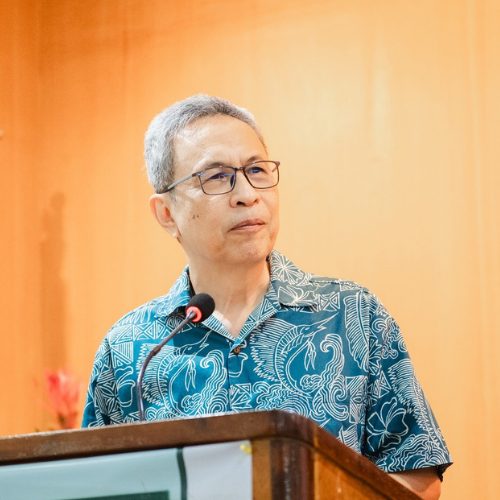
Ptr. Rodel D. Lasco
Ptr. Rodel has served Trinity Bible Church since its founding, preaching weekly through books of Scripture and shepherding the congregation alongside the deacons. He also serves within the Association of Reformed Baptist Churches — CALABARZON.
He and his wife Haydee have written several devotional works, including Sins of the Last Days.

Arnold S. Diamante

Serafin A. Cuya

Zacarias Avenard Coronado
Association of Reformed Baptist Churches — CALABARZON
ARBC-C is a fellowship of local churches united by a shared confession, gospel conviction, and commitment to Christ’s lordship. Below are the member churches and their pastors.
Ptr. Rodel Lasco
Ptr. Wilfredo Obrador
Ptr. Jonathan Cortez
Ptr. Francis Talan
Ptr. Froilan Rivera
Currently vacant
The 1689 London Baptist Confession
01Of the Holy Scriptures
The Holy Scripture is the only sufficient, certain, and infallible rule of all saving knowledge, faith, and obedience. The light of nature, and the works of creation and providence, do so far manifest the goodness, wisdom, and power of God, as to leave men inexcusable; yet they are not sufficient to give that knowledge of God and His will which is necessary unto salvation.
The whole counsel of God concerning all things necessary for His own glory, man’s salvation, faith and life, is either expressly set down or necessarily contained in the Holy Scripture; unto which nothing at any time is to be added, whether by new revelation of the Spirit or traditions of men.
The infallible rule of interpretation of Scripture is the Scripture itself; and therefore when there is a question about the true and full sense of any Scripture, it must be searched by other places that speak more clearly.
02Of God and of the Holy Trinity
The Lord our God is but one only living and true God; whose subsistence is in and of Himself, infinite in being and perfection; a most pure spirit, invisible, without body, parts, or passions; immutable, immense, eternal, incomprehensible, almighty, most holy, most wise, most free, most absolute.
God, having all life, glory, goodness, blessedness in and of Himself, is alone all-sufficient, not standing in need of any creature which He hath made, nor deriving any glory from them, but only manifesting His own glory in, by, unto, and upon them.
In this divine and infinite Being there are three subsistences, the Father, the Word or Son, and Holy Spirit, of one substance, power, and eternity; the Father is of none, the Son is eternally begotten of the Father, the Holy Spirit proceeding from the Father and the Son.
03Of God's Decree
God hath decreed in Himself, from all eternity, by the most wise and holy counsel of His own will, freely and unchangeably, all things whatsoever comes to pass; yet so as thereby is God neither the author of sin, nor hath fellowship with any therein, nor is violence offered to the will of the creature.
By the decree of God, for the manifestation of His glory, some men and angels are predestinated or foreordained to eternal life through Jesus Christ, to the praise of His glorious grace; others being left to act in their sin to their just condemnation.
Those of mankind that are predestinated to life, God, before the foundation of the world was laid, according to His eternal and immutable purpose, hath chosen in Christ unto everlasting glory, out of His mere free grace and love, without any other thing in the creature as a condition moving Him thereunto.
04Of Creation
In the beginning it pleased God the Father, Son, and Holy Spirit, for the manifestation of the glory of His eternal power, wisdom, and goodness, to create or make the world, and all things therein, whether visible or invisible, in the space of six days, and all very good.
After God had made all other creatures, He created man, male and female, with reasonable and immortal souls, rendering them fit unto that life to God for which they were created; being made after the image of God, in knowledge, righteousness, and true holiness.
Besides the law written in their hearts, they received a command not to eat of the tree of the knowledge of good and evil; which while they kept, they were happy in their communion with God, and had dominion over the creatures.
05Of Divine Providence
God the good Creator of all things, in His infinite power and wisdom, doth uphold, direct, dispose, and govern all creatures and things, from the greatest even to the least, by His most wise and holy providence, to the end for which they were created, to the praise of His wisdom, power, justice, infinite goodness, and mercy.
Although in relation to the foreknowledge and decree of God, the first cause, all things come to pass immutably and infallibly, yet by the same providence He ordereth them to fall out according to the nature of second causes, either necessarily, freely, or contingently.
As the providence of God doth in general reach to all creatures, so after a most special manner it taketh care of His church, and disposeth of all things to the good thereof.
06Of the Fall of Man, of Sin, and of the Punishment Thereof
Although God created man upright and perfect, and gave him a righteous law, which had been unto life had he kept it, and threatened death upon the breach thereof, yet he did not long abide in this honour; Satan using the subtlety of the serpent to subdue Eve, then by her seducing Adam, who without any compulsion did wilfully transgress the law of their creation.
Our first parents by this sin fell from their original righteousness and communion with God, and we in them, whereby death came upon all: all becoming dead in sin, and wholly defiled in all the faculties and parts of soul and body.
From this original corruption do proceed all actual transgressions; and this corruption of nature, during this life, doth remain in those that are regenerated, though it be through Christ pardoned and mortified.
07Of God's Covenant
The distance between God and the creature is so great, that although reasonable creatures do owe obedience unto Him as their Creator, yet they could never have attained the reward of life but by some voluntary condescension on God’s part, which He hath been pleased to express by way of covenant.
Moreover, man having brought himself under the curse of the law by his fall, it pleased the Lord to make a covenant of grace, wherein He freely offereth unto sinners life and salvation by Jesus Christ, requiring of them faith in Him, that they may be saved, and promising to give unto all those that are ordained unto eternal life His Holy Spirit, to make them willing and able to believe.
This covenant is revealed in the gospel; first of all to Adam in the promise of salvation by the seed of the woman, and afterwards by further steps, until the full discovery thereof was completed in the New Testament; it is founded in that eternal covenant transaction between the Father and the Son about the redemption of the elect.
08Of Christ the Mediator
It pleased God, in His eternal purpose, to choose and ordain the Lord Jesus, His only begotten Son, according to the covenant made between them both, to be the Mediator between God and man; the Prophet, Priest, and King; Head and Saviour of the church, the heir of all things, and judge of the world; unto whom He did from all eternity give a people to be His seed.
The Son of God, the second person in the Holy Trinity, being very and eternal God, did, when the fullness of time was come, take upon Him man’s nature, with all the essential properties and common infirmities thereof, yet without sin; so that two whole, perfect, and distinct natures were inseparably joined together in one person, without conversion, composition, or confusion.
The Lord Jesus, in His human nature thus united to the divine, was sanctified and anointed with the Holy Spirit above measure, that He might be thoroughly furnished to execute the office of a mediator and surety; which office He took not upon Himself, but was thereunto called by His Father.
09Of Free Will
God hath endued the will of man with that natural liberty and power of acting upon choice, that it is neither forced, nor by any necessity of nature determined to do good or evil.
Man, in his state of innocency, had freedom and power to will and to do that which was good and well-pleasing to God; but yet was unstable, so that he might fall from it.
Man, by his fall into a state of sin, hath wholly lost all ability of will to any spiritual good accompanying salvation; so as a natural man, being altogether averse from that good, and dead in sin, is not able by his own strength to convert himself, or to prepare himself thereunto.
When God converts a sinner, and translates him into the state of grace, He freeth him from his natural bondage under sin, and by His grace alone enables him freely to will and to do that which is spiritually good.
10Of Effectual Calling
Those whom God hath predestinated unto life, He is pleased in His appointed and accepted time effectually to call, by His Word and Spirit, out of that state of sin and death in which they are by nature, to grace and salvation by Jesus Christ; enlightening their minds spiritually and savingly to understand the things of God, taking away their heart of stone and giving unto them a heart of flesh.
This effectual call is of God’s free and special grace alone, not from anything at all foreseen in man, being wholly passive therein, until, being quickened and renewed by the Holy Spirit, he is thereby enabled to answer this call, and to embrace the grace offered and conveyed in it.
Elect infants dying in infancy are regenerated and saved by Christ through the Spirit, who worketh when, and where, and how He pleaseth; so also are all elect persons who are incapable of being outwardly called by the ministry of the Word.
11Of Justification
Those whom God effectually calleth, He also freely justifieth, not by infusing righteousness into them, but by pardoning their sins, and by accounting and accepting their persons as righteous; not for anything wrought in them, or done by them, but for Christ’s sake alone; not by imputing faith itself, or any other evangelical obedience to them as their righteousness, but by imputing Christ’s active obedience unto the whole law, and passive obedience in His death.
Faith thus receiving and resting on Christ and His righteousness is the alone instrument of justification; yet it is not alone in the person justified, but is ever accompanied with all other saving graces, and is no dead faith, but worketh by love.
God did, from all eternity, decree to justify all the elect, and Christ did in the fullness of time die for their sins and rise again for their justification; nevertheless they are not justified personally until the Holy Spirit doth in due time actually apply Christ unto them.
12Of Adoption
All those that are justified, God vouchsafed, in and for the sake of His only Son Jesus Christ, to make partakers of the grace of adoption, by which they are taken into the number and enjoy the liberties and privileges of children of God; have His name put upon them, receive the Spirit of adoption, and have access to the throne of grace with boldness, being enabled to cry Abba, Father.
13Of Sanctification
They who are united to Christ, effectually called, and regenerated, having a new heart and a new spirit created in them through the virtue of Christ’s death and resurrection, are also further sanctified, really and personally, through the same virtue, by His Word and Spirit dwelling in them; the dominion of the whole body of sin is destroyed, and the several lusts thereof are more and more weakened and mortified.
This sanctification is throughout the whole man, yet imperfect in this life; there abideth still some remnants of corruption in every part, whence ariseth a continual and irreconcilable war, the flesh lusting against the Spirit, and the Spirit against the flesh.
In which war, although the remaining corruption for a time may much prevail, yet through the continual supply of strength from the sanctifying Spirit of Christ, the regenerate part doth overcome; and so the saints grow in grace, perfecting holiness in the fear of God.
14Of Saving Faith
The grace of faith, whereby the elect are enabled to believe to the saving of their souls, is the work of the Spirit of Christ in their hearts, and is ordinarily wrought by the ministry of the Word; by which also, and by the administration of baptism and the Lord’s Supper, prayer, and other means appointed of God, it is increased and strengthened.
By this faith a Christian believeth to be true whatsoever is revealed in the Word, for the authority of God Himself; and acteth differently upon that which each particular passage thereof containeth — yielding obedience to the commands, trembling at the threatenings, and embracing the promises of God for this life and that which is to come.
This faith, although it be different in degrees, and may be weak or strong, yet it is in the least degree of it different in the kind or nature of it from the faith and common grace of temporary believers; and therefore, though it may be often assailed and weakened, yet it gets the victory, growing up in many to the attainment of a full assurance through Christ.
15Of Repentance unto Life and Salvation
Such of the elect as are converted at riper years, having sometime lived in the state of nature, and therein served divers pleasures, God in their effectual calling giveth them repentance unto life.
Whereas there is none that doth good and sinneth not, and the best of men may, through the power and deceitfulness of their corruption, fall into great sins and provocations, God hath in the covenant of grace mercifully provided that believers so sinning and falling be renewed through repentance unto salvation.
This saving repentance is an evangelical grace, whereby a person, being by the Holy Spirit made sensible of the manifold evils of his sin, doth, by faith in Christ, humble himself for it with godly sorrow, detestation of it, and self-abhorrency, praying for pardon and strength of grace, with a purpose and endeavour, by supplies of the Spirit, to walk before God unto all well-pleasing in all things.
16Of Good Works
Good works are only such as God hath commanded in His Holy Word, and not such as, without the warrant thereof, are devised by men out of blind zeal, or upon any pretence of good intentions.
These good works, done in obedience to God’s commandments, are the fruits and evidences of a true and lively faith; and by them believers manifest their thankfulness, strengthen their assurance, edify their brethren, adorn the profession of the gospel, stop the mouths of the adversaries, and glorify God.
Their ability to do good works is not at all of themselves, but wholly from the Spirit of Christ; and that they may be enabled thereunto, besides the graces they have already received, there is necessary an actual influence of the same Holy Spirit to work in them to will and to do of His good pleasure.
17Of the Perseverance of the Saints
Those whom God hath accepted in the Beloved, effectually called and sanctified by His Spirit, and given the precious faith of His elect unto, can neither totally nor finally fall from the state of grace, but shall certainly persevere therein to the end, and be eternally saved, seeing the gifts and callings of God are without repentance.
This perseverance of the saints depends not upon their own free will, but upon the immutability of the decree of election, flowing from the free and unchangeable love of God the Father; upon the efficacy of the merit and intercession of Jesus Christ, and union with Him; the oath of God; the abiding of His Spirit and the seed of God within them; and the nature of the covenant of grace.
And though they may, through the temptation of Satan and of the world, the prevalency of corruption remaining in them, and the neglect of means of their preservation, fall into grievous sins and continue therein a while, incurring God’s displeasure and grieving His Holy Spirit, yet they shall renew their repentance and be preserved through faith in Christ Jesus to the end.
18Of the Assurance of Grace and Salvation
Although temporary believers and other unregenerate men may vainly deceive themselves with false hopes and carnal presumptions, yet such as truly believe in the Lord Jesus, and love Him in sincerity, endeavouring to walk in all good conscience before Him, may in this life be certainly assured that they are in the state of grace, and may rejoice in the hope of the glory of God.
This certainty is not a bare conjectural persuasion grounded upon a fallible hope, but an infallible assurance of faith, founded on the blood and righteousness of Christ revealed in the gospel, the inward evidence of those graces unto which promises are made, and the testimony of the Spirit of adoption witnessing with our spirits that we are the children of God.
This infallible assurance doth not so belong to the essence of faith, but that a true believer may wait long, and conflict with many difficulties before he be partaker of it; yet being enabled by the Spirit to know the things freely given him of God, he may, without extraordinary revelation, in the right use of means, attain thereunto.
19Of the Law of God
God gave to Adam a law of universal obedience written in his heart, and a particular precept of not eating the fruit of the tree of knowledge of good and evil, by which He bound him and all his posterity to personal, entire, exact, and perpetual obedience.
The same law that was first written in the heart of man continued to be a perfect rule of righteousness after the fall, and was delivered by God upon Mount Sinai in ten commandments, written in two tables; the first four containing our duty towards God, and the other six our duty to man.
The moral law doth for ever bind all, as well justified persons as others, to the obedience thereof, and that not only in regard of the matter contained in it, but also in respect of the authority of God the Creator who gave it; neither doth Christ in the gospel any way dissolve, but much strengthen this obligation.
Although true believers be not under the law as a covenant of works, to be thereby justified or condemned, yet it is of great use to them as a rule of life, informing them of the will of God and their duty, discovering the sinful pollutions of their natures, and driving them to Christ.
20Of the Gospel and the Extent of the Grace Thereof
The covenant of works being broken by sin, and made unprofitable unto life, God was pleased to give forth the promise of Christ, the seed of the woman, as the means of calling the elect, and begetting in them faith and repentance; in this promise the gospel, as to the substance of it, was revealed, and therein effectual for the conversion and salvation of sinners.
This promise of Christ, and salvation by Him, is revealed only by the Word of God; neither do the works of creation or providence, with the light of nature, make discovery of Christ, or of grace by Him, so much as in a general or obscure way — much less that men destitute of the revelation of Him by the promise or gospel should be enabled thereby to attain saving faith.
The revelation of the gospel unto sinners, made in divers times and by sundry parts, is merely of the sovereign will and good pleasure of God, not being annexed by virtue of any promise to the due improvement of men’s natural abilities; therefore in all ages the preaching of the gospel has been granted unto persons and nations in great variety, according to the counsel of the will of God.
21Of Christian Liberty and Liberty of Conscience
The liberty which Christ hath purchased for believers under the gospel consists in their freedom from the guilt of sin, the condemning wrath of God, and the curse of the moral law; in their being delivered from this present evil world, bondage to Satan, and dominion of sin, from the evil of afflictions, the fear and sting of death, the victory of the grave, and everlasting damnation.
God alone is Lord of the conscience, and hath left it free from the doctrines and commandments of men which are in anything contrary to His Word, or not contained in it. So that to believe such doctrines, or obey such commands out of conscience, is to betray true liberty of conscience.
They who upon pretence of Christian liberty do practise any sin, or cherish any sinful lust, do thereby pervert the main design of the grace of the gospel to their own destruction, and wholly destroy the end of Christian liberty.
22Of Religious Worship and the Sabbath Day
The light of nature shows that there is a God, who hath lordship and sovereignty over all; but the acceptable way of worshipping the true God is instituted by Himself, and so limited by His own revealed will, that He may not be worshipped according to the imagination and devices of men, nor in any other way not prescribed in the Holy Scripture.
Religious worship is to be given to God the Father, Son, and Holy Spirit, and to Him alone; not to angels, saints, or any other creatures; and since the fall, not without a mediator, nor in the mediation of any other but Christ alone.
As it is the law of nature that in general a proportion of time, by God’s appointment, be set apart for the worship of God, so by His Word, in a positive moral and perpetual commandment, He hath particularly appointed one day in seven for a Sabbath, which from the resurrection of Christ was changed into the first day of the week, called the Lord’s day.
23Of Lawful Oaths and Vows
A lawful oath is a part of religious worship, wherein the person swearing in truth, righteousness, and judgment, solemnly calleth God to witness what he sweareth, and to judge him according to the truth or falseness thereof.
The name of God only is that by which men ought to swear; and therein it is to be used, with all holy fear and reverence; therefore to swear vainly or rashly by that glorious name, or to swear at all by any other thing, is sinful and to be abhorred.
24Of the Civil Magistrate
God, the supreme Lord and King of all the world, hath ordained civil magistrates to be under Him, over the people, for His own glory and the public good; and to this end hath armed them with the power of the sword, for defence and encouragement of them that do good, and for the punishment of evil doers.
It is lawful for Christians to accept and execute the office of a magistrate when called thereunto; in the management whereof, as they ought especially to maintain justice and peace, according to the wholesome laws of each kingdom and commonwealth, so for that end they may lawfully now, under the New Testament, wage war upon just and necessary occasions.
Subjection in the Lord is due to magistrates in all lawful things commanded by them, for conscience’ sake; supplications and prayers are to be made for kings and all in authority, that under them we may live a quiet and peaceable life in all godliness and honesty.
25Of Marriage
Marriage is to be between one man and one woman; neither is it lawful for any man to have more than one wife, nor for any woman to have more than one husband at the same time.
Marriage was ordained for the mutual help of husband and wife, for the increase of mankind with a legitimate issue, and the preventing of uncleanness.
It is the duty of Christians to marry in the Lord; and therefore such as profess the true religion should not marry with infidels or idolaters, neither should such as are godly be unequally yoked by marrying with those who maintain damnable heresy.
26Of the Church
The catholic or universal church, which (with respect to the internal work of the Spirit and truth of grace) may be called invisible, consists of the whole number of the elect, that have been, are, or shall be gathered into one under Christ, the head thereof; and is the spouse, the body, the fullness of Him that filleth all in all.
All persons throughout the world, professing the faith of the gospel and obedience unto God by Christ according to it, not destroying their own profession by any errors everting the foundation or unholiness of conversation, are and may be called visible saints; and of such ought all particular congregations to be constituted.
The Lord Jesus Christ is the Head of the church, in whom, by the appointment of the Father, all power for the calling, institution, order, or government of the church is invested in a supreme and sovereign manner; and the officers appointed by Christ to be chosen and set apart by the church so called and gathered are bishops or elders, and deacons.
27Of the Communion of Saints
All saints that are united to Jesus Christ their head by His Spirit and faith, although they are not made thereby one person with Him, have fellowship in His graces, sufferings, death, resurrection, and glory; and being united to one another in love, they have communion in each other’s gifts and graces, and are obliged to the performance of such duties, public and private, in an orderly way, as do conduce to their mutual good.
Saints by profession are bound to maintain a holy fellowship and communion in the worship of God, and in performing such other spiritual services as tend to their mutual edification; as also in relieving each other in outward things according to their several abilities and necessities.
28Of Baptism and the Lord's Supper
Baptism and the Lord’s Supper are ordinances of positive and sovereign institution, appointed by the Lord Jesus, the only lawgiver, to be continued in His church to the end of the world.
These holy appointments are to be administered by those only who are qualified and thereunto called, according to the commission of Christ.
29Of Baptism
Baptism is an ordinance of the New Testament, ordained by Jesus Christ, to be unto the party baptized a sign of his fellowship with Him in His death and resurrection; of his being engrafted into Him; of remission of sins; and of his giving up unto God, through Jesus Christ, to live and walk in newness of life.
Those who do actually profess repentance towards God, faith in and obedience to our Lord Jesus Christ, are the only proper subjects of this ordinance.
The outward element to be used in this ordinance is water, wherein the party is to be baptized in the name of the Father, and of the Son, and of the Holy Spirit; and immersion, or dipping of the person in water, is necessary to the due administration of this ordinance.
30Of the Lord's Supper
The Supper of the Lord Jesus was instituted by Him the same night wherein He was betrayed, to be observed in His churches unto the end of the world, for the perpetual remembrance and showing forth of the sacrifice of Himself in His death, confirmation of the faith of believers in all the benefits thereof, their spiritual nourishment and growth in Him, and their further engagement in all duties which they owe unto Him.
In this ordinance Christ is not offered up to His Father, nor any real sacrifice made at all for remission of sin of the quick or dead, but only a memorial of that one offering up of Himself upon the cross, once for all.
Worthy receivers, outwardly partaking of the visible elements, do then also inwardly by faith, really and indeed, yet not carnally and corporally, but spiritually, receive and feed upon Christ crucified, and all the benefits of His death; the body and blood of Christ being then not corporally or carnally, but spiritually present to the faith of believers.
31Of the State of Man after Death and of the Resurrection of the Dead
The bodies of men after death return to dust and see corruption; but their souls, which neither die nor sleep, having an immortal subsistence, immediately return to God who gave them. The souls of the righteous, being then made perfect in holiness, are received into paradise, where they are with Christ; and the souls of the wicked are cast into hell.
At the last day, such of the saints as are found alive shall not sleep, but be changed; and all the dead shall be raised up with the selfsame bodies, and none other, although with different qualities, which shall be united again to their souls for ever.
The bodies of the unjust shall, by the power of Christ, be raised to dishonour; the bodies of the just, by His Spirit, unto honour, and be made conformable to His own glorious body.
32Of the Last Judgment
God hath appointed a day wherein He will judge the world in righteousness by Jesus Christ, to whom all power and judgment is given of the Father; in which day not only the apostate angels shall be judged, but likewise all persons that have lived upon the earth shall appear before the tribunal of Christ, to give an account of their thoughts, words, and deeds.
The end of God’s appointing this day is for the manifestation of the glory of His mercy in the eternal salvation of the elect, and of His justice in the eternal damnation of the reprobate, who are wicked and disobedient.
As Christ would have us to be certainly persuaded that there shall be a day of judgment, both to deter all men from sin and for the greater consolation of the godly in their adversity, so will He have that day unknown to men, that they may shake off all carnal security and be always watchful, and ever prepared to say, Come Lord Jesus; come quickly. Amen.